
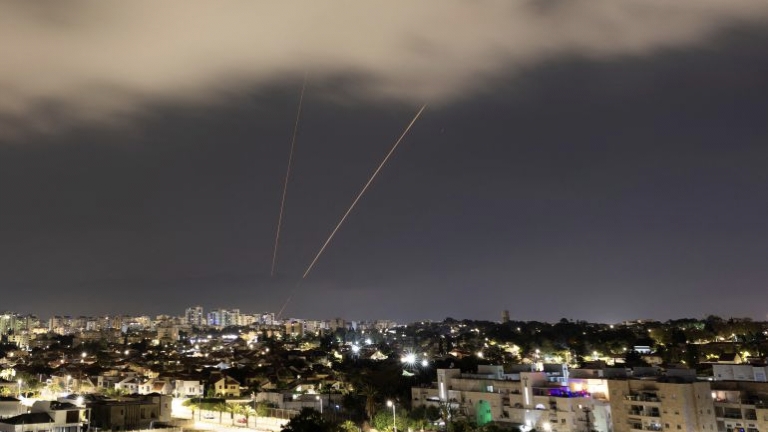

Recent military strikes on Iran have shifted the balance of power in the Middle East, but experts argue the rewards aren’t shared equally. For Israel, these operations—like the massive “Operation Epic Fury” in early 2026—address what they see as an existential threat. By taking out high-level targets (including the reported death of Supreme Leader Ali Khamenei) and damaging nuclear sites like Fordow, Israel has successfully dismantled much of Iran’s “Axis of Resistance.” This has essentially “cleared the neighborhood” of immediate threats from groups like Hezbollah and Hamas, giving Israel much-needed breathing room after years of tension.
For the United States, the benefits are a bit more complicated and come with much higher risks. While the U.S. successfully slowed Iran’s nuclear progress, it has also put a target on its own back. American bases in countries like Qatar and Kuwait have faced direct retaliatory fire, and the U.S. now faces the heavy lifting of managing a potential “forever war” or a total government collapse in Tehran. While Israel gets a safer border, Washington is left holding the bill for regional stability, proving that in this high-stakes game, the one who lives next door often has the most to gain from a weakened rival.