
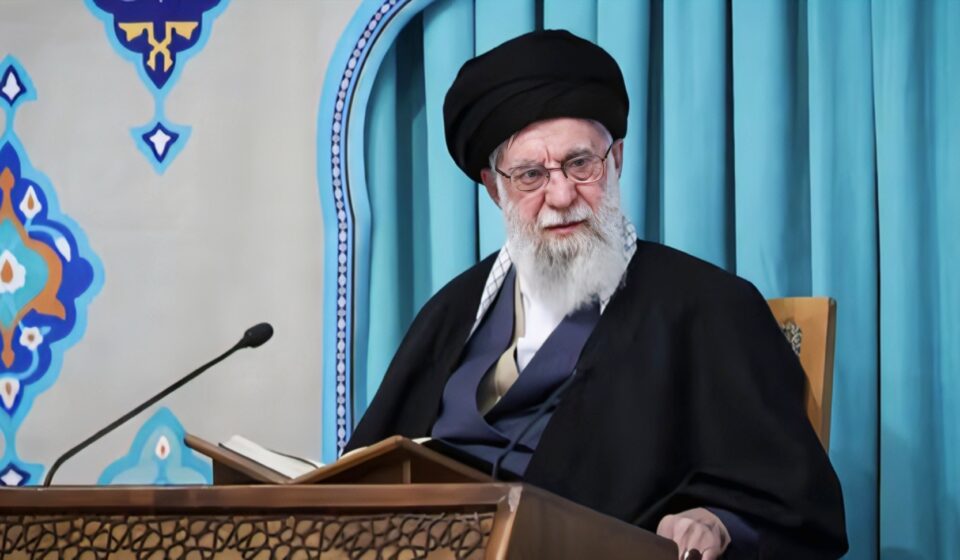

With tensions reaching a breaking point in February 2026, Iran has reportedly finalized a “four-layered” survival plan in case Supreme Leader Ali Khamenei is assassinated or dies unexpectedly. Fearing “decapitation strikes” from the U.S. or Israel, Tehran has moved beyond just picking a successor; they’ve created an emergency chain of command to keep the government running even if the top leadership is wiped out. This high-stakes move comes as the Trump administration sets strict deadlines for nuclear talks, warning that military options—and even “regime change”—are back on the table.
The biggest shift in this secret strategy is the rise of Ali Larijani, a veteran power player who has been handed “de facto” control over the country’s crisis management and wartime planning. While names like Khamenei’s son, Mojtaba, are still in the mix, the focus has shifted toward institutional survival rather than a family dynasty. As Iran moves missile systems to its borders and prepares a final nuclear counter-proposal, the regime is effectively bracing for the “next big event”—whether that’s a new diplomatic deal or a total shift in power.