
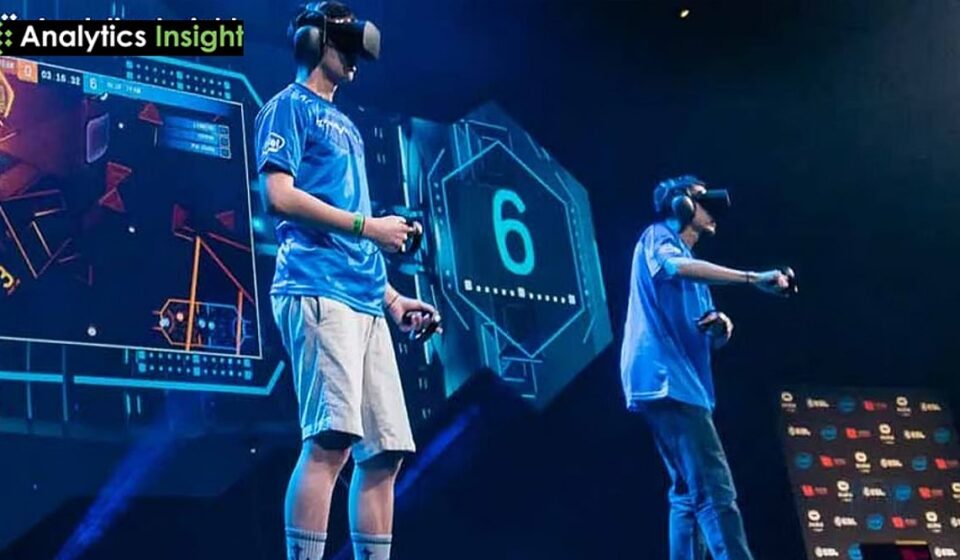

Is clicking a mouse really the same as kicking a ball? It’s a debate that sets the internet on fire, but the gap is closing faster than you think. Esports isn’t just kids in basements anymore; it’s a billion-dollar industry with pro athletes who follow strict diets, mental coaching, and grueling 10-hour practice schedules. While traditional sports rely on “physical” raw power, esports is all about “cognitive” load—think split-second reflexes and complex strategy that rivals a grandmaster chess match. Even the International Olympic Committee has officially jumped in, launching the first-ever Olympic Esports Games in 2025, proving that the world’s biggest sporting stage is ready to go digital.
The comparison is tricky because while a football remains a football for decades, a video game “patch” can change the rules overnight. This makes esports a fast-moving target that evolves much quicker than any grass-and-dirt sport. However, the similarities are what really turn heads: sold-out stadiums, massive sponsorship deals from brands like Nike and BMW, and viewership numbers that sometimes beat the NBA finals. Whether you call it a “sport” or not, the intensity and the pressure are 100% real. It’s no longer about whether one is better—it’s about how they are both reshaping what it means to be a fan in the 21st century.