
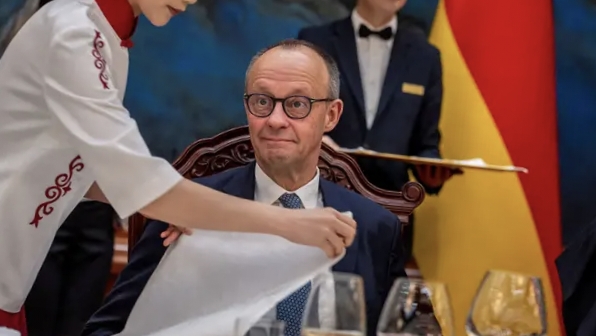

German Chancellor Friedrich Merz just wrapped up a high-stakes whirlwind trip to Beijing, and experts are calling it a “masterclass” in diplomatic balancing. While many leaders either play too nice or too tough, Merz took a different path. During his meetings with President Xi Jinping and Premier Li Qiang, he didn’t hold back, directly challenging China on “unhealthy” trade practices and state subsidies that hurt global competition. Yet, in the same breath, he explored a “Wubot” martial arts robot show and signed five major agreements to deepen ties in green tech and AI. It’s a bold strategy: keeping the economic door wide open while refusing to blink on the issues that actually matter to German workers.
This “Merz Method” comes at a critical time as Germany navigates a tricky spot between a tariff-heavy U.S. under Donald Trump and its biggest trading partner, China. By bringing a massive delegation of 30 top firms—including the CEOs of Volkswagen and BMW—Merz signaled that Germany isn’t looking to “decouple” from the East. Instead, he’s pushing for what he calls a “balanced, reliable, and fair” partnership. Whether he’s asking Beijing to pressure Russia over the war in Ukraine or fighting for a level playing field for European cars, Merz is proving that you can be a polite guest and a tough negotiator at the very same time.